
Do Geek Bars Have Diacetyl? A Scientific Safety Review for U.S. Vapers in 2026
As disposable vape devices continue to dominate the American vaping market, consumers are becoming increasingly concerned about what is actually inside the products they use every day. One of the most frequently searched questions online is:
"Do Geek Bars have diacetyl?"
The concern is understandable. Over the past decade, diacetyl has become one of the most controversial flavoring chemicals associated with vaping products. News reports, scientific studies, and health organizations have all discussed its potential respiratory risks, causing many consumers to question whether popular brands such as Geek Bar contain this ingredient.
In this evidence-based guide, we'll examine what diacetyl is, why it matters, what current information suggests about Geek Bar products, and how consumers can make informed purchasing decisions while avoiding counterfeit vape devices that may present additional safety concerns.
This article is written using publicly available information from U.S. health agencies, toxicology research, vape manufacturing standards, and ingredient disclosures from industry sources. The goal is to provide balanced, evidence-based information rather than promotional claims.
Because vape formulations can change over time, consumers should always verify information directly with manufacturers and purchase products from reputable retailers.
Quick Answer
Geek Bars are generally marketed as not containing diacetyl in modern formulations, but there is no universal regulatory database confirming every product batch worldwide. The biggest safety concern in the U.S. market is counterfeit vape products, which may not follow the same ingredient standards as authentic devices. Consumers should prioritize verified retailers and product authentication to reduce exposure to unknown ingredients.

What Is Diacetyl?
Diacetyl, scientifically known as 2,3-butanedione, is a naturally occurring chemical compound that can be found in certain fermented foods and beverages. It is also widely used as a flavoring ingredient because it creates rich buttery, creamy, caramel, and dessert-like taste profiles.
For decades, diacetyl was commonly used in food manufacturing. When consumed through eating, it has generally been considered safe by food safety authorities. However, inhalation presents a very different situation.
The concern surrounding diacetyl is not related to ingestion. Instead, it is associated with repeated inhalation exposure under certain conditions.
Why Was Diacetyl Used in E-Liquids?
During the early years of the vaping industry, some manufacturers used flavoring concentrates that contained small amounts of diacetyl or related diketone compounds.
These flavorings were particularly common in:
- Custard flavors
- Vanilla cream flavors
- Butter-flavored e-liquids
- Caramel desserts
- Bakery-inspired vape juices
As public awareness increased and scientific concerns emerged, many manufacturers began reformulating products to eliminate diacetyl and similar compounds from their flavor systems.
Why Is Diacetyl Controversial?
The controversy surrounding diacetyl originates from occupational health investigations conducted in manufacturing facilities.
Researchers discovered that workers exposed to airborne diacetyl concentrations over extended periods experienced an increased risk of developing a rare and serious lung condition known as bronchiolitis obliterans.
The condition later became widely known in the media as:
- Popcorn Lung
The nickname originated because several cases were identified among employees working in microwave popcorn manufacturing plants where butter flavoring compounds containing diacetyl were regularly inhaled.
Health agencies including OSHA and the CDC have acknowledged the association between occupational diacetyl exposure and bronchiolitis obliterans. However, workplace exposure conditions differ significantly from typical consumer vaping behavior.
Does Diacetyl Cause Popcorn Lung in Vapers?
This is where the discussion becomes more nuanced.
Although occupational exposure data clearly demonstrate a link between heavy inhalation exposure and respiratory disease, scientists continue to study how those findings translate to consumer vaping products.
Current evidence does not suggest that occasional exposure automatically leads to disease. Nevertheless, because safer alternatives are available, many manufacturers have chosen to eliminate diacetyl from modern formulations whenever possible.
This precautionary approach is one reason consumers today often search specifically for "diacetyl-free vape products."
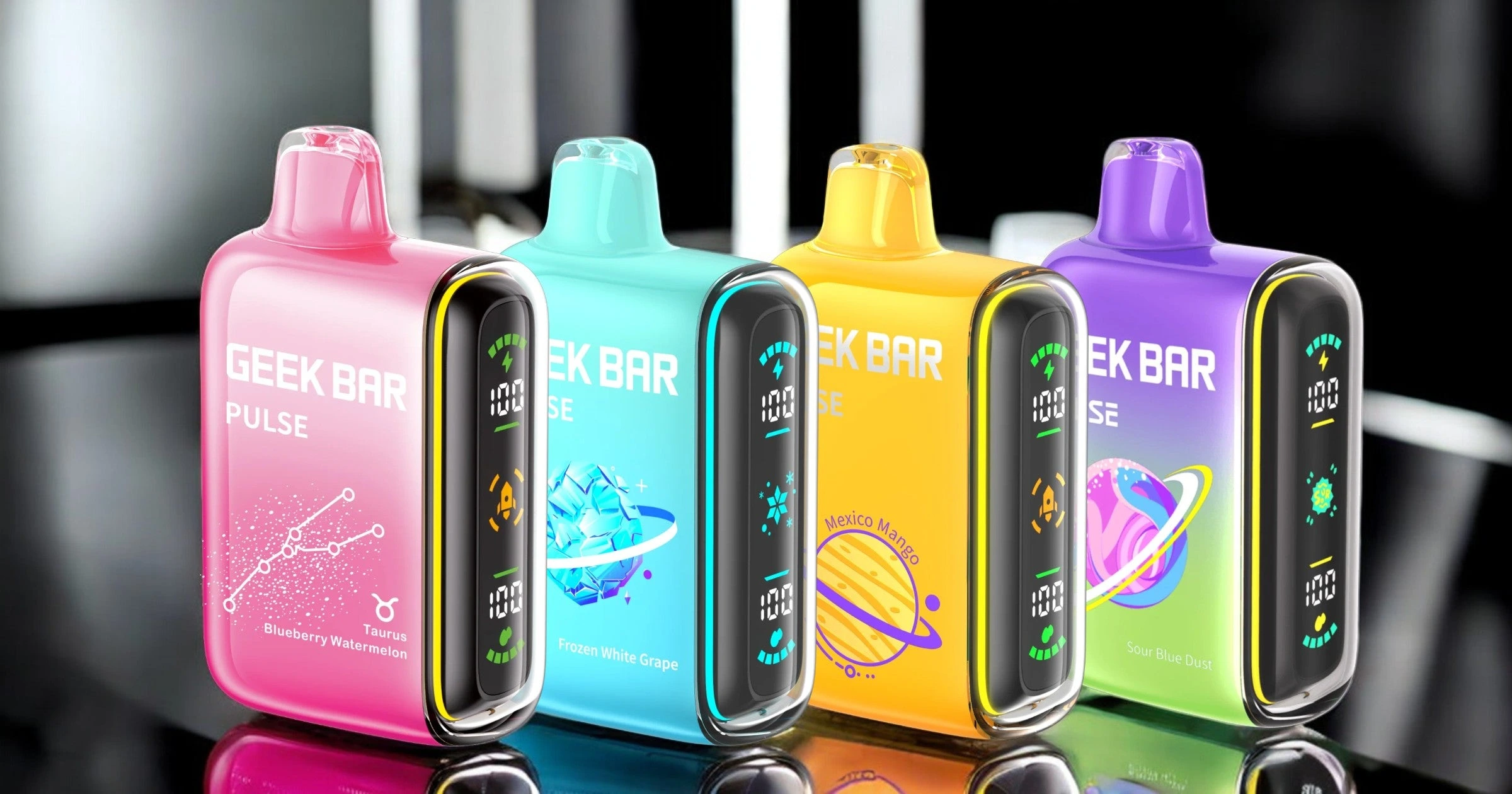
Do Geek Bars Have Diacetyl?
Based on current ingredient disclosures available from Geek Bars-related sources and distributors, modern Geek Bar devices are generally marketed as containing:
- Vegetable Glycerin (VG)
- Propylene Glycol (PG)
- Nicotine Salts
- Food-Grade Flavorings
Available product information indicates that modern Geek Bar formulations are designed to avoid diacetyl-containing flavor systems. However, consumers should understand an important distinction:
There is currently no publicly accessible regulatory database that independently verifies every Geek Bars batch sold across all global markets.
As a result, the most accurate statement is not that every Geek Bar product is guaranteed to be diacetyl-free forever, but rather that current formulations are marketed and manufactured with the goal of avoiding diacetyl and related compounds.
Counterfeit vape products remain a significant issue throughout the United States. Fake devices may use unknown ingredients, inconsistent nicotine concentrations, and unverified flavoring compounds that differ substantially from those found in authentic products.
Consumers concerned about ingredient safety should prioritize purchasing authentic Geek Bar devices from reputable retailers rather than focusing solely on ingredient claims printed on product packaging.
Understanding the Main Ingredients Found in Geek Bars
To better understand the safety discussion, it helps to examine the ingredients most commonly used in modern disposable vape products.
| Ingredient | Purpose | Industry Usage |
|---|---|---|
| Vegetable Glycerin (VG) | Produces vapor clouds | Common in nearly all vape products |
| Propylene Glycol (PG) | Carries flavor effectively | Used in pharmaceutical and food products |
| Nicotine Salts | Delivers nicotine smoothly | Widely used in disposable devices |
| Flavoring Compounds | Create taste profiles | Varies by manufacturer |
Vegetable Glycerin (VG)
VG is a plant-derived liquid that creates the visible vapor produced when using a disposable vape. It has become one of the foundational ingredients used throughout the modern vaping industry.
Propylene Glycol (PG)
PG functions as an effective carrier for flavor molecules and nicotine. It has long been used in food, cosmetics, and pharmaceutical applications.
Nicotine Salts
Most Geek Bar devices utilize nicotine salt formulations because they allow higher nicotine concentrations while maintaining a smoother inhalation experience compared to traditional freebase nicotine.
Flavor Systems
Flavoring compounds represent the most complex component of any vape product. This is also where historical concerns about diacetyl primarily originated, making ingredient transparency and quality control especially important.
Why Ingredient Transparency Matters More Than Ever
Today's consumers are far more informed than those who purchased early-generation vaping products. Rather than focusing exclusively on flavor variety or puff count, many users now evaluate:
- Ingredient disclosures
- Manufacturing standards
- Laboratory testing practices
- Brand reputation
- Product authenticity verification systems
- Regulatory compliance
For brands operating in the U.S. market, transparency has become one of the most important factors influencing long-term consumer trust.
Counterfeit Geek Bars: A Hidden Risk Most Consumers Overlook
While discussions around diacetyl and vape safety often focus on ingredients, one of the most significant real-world risks in the U.S. disposable vape market is not formulation—it is counterfeit products.
In recent years, the popularity of Geek Bar devices has led to a growing number of unauthorized replicas entering online marketplaces, convenience stores, and informal resale channels. These products often imitate packaging, branding, and even QR codes, but they are not manufactured under the same quality control standards.
Counterfeit vape devices may contain unknown flavoring chemicals, inconsistent nicotine levels, and unregulated hardware components. This makes it impossible to evaluate their true ingredient safety, including whether compounds like diacetyl are present.
How Fake Geek Bars Differ From Authentic Products
| Feature | Authentic Geek Bar | Counterfeit Device |
|---|---|---|
| Manufacturing | Controlled production standards | Unknown or unregulated facilities |
| Ingredients | Declared formulation | Undisclosed or inconsistent |
| Packaging | High-quality printing & verification codes | Low-quality print errors |
| Battery Safety | Built-in protections | May lack safety circuitry |
| Lab Testing | Internal QC procedures | No verifiable testing |
Why Counterfeits Matter in a Diacetyl Safety Discussion
When consumers ask “Do Geek Bars contain diacetyl?”, the assumption is that all products labeled Geek Bar are identical. In reality, counterfeit devices completely break this assumption.
Even if a legitimate manufacturer avoids diacetyl in its formulations, fake devices may use entirely different e-liquid compositions that are never disclosed to consumers.
This means ingredient safety discussions are only meaningful when the product is authentic.
Real User Experiences (U.S. Market Feedback)
Below are anonymized consumer reports collected from vaping community discussions and retail feedback channels in the United States:
“I bought a Geek Bar vapes from a gas station that tasted extremely harsh compared to the one I got from a vape shop. The second one had a QR code that actually verified online, the first didn’t.”
— Texas, USA
“The flavor was completely inconsistent. One device lasted half the time and tasted burnt from the beginning. Later I found out it might have been counterfeit.”
— California, USA
These experiences highlight an important pattern: performance and perceived safety often depend on product authenticity rather than brand name alone.
How Geek Bar Manufactures and Tests Products
According to publicly available distributor and brand-level information, modern Geek Bar devices are typically produced under standardized manufacturing systems that include:
- Batch-level quality control inspections
- Ingredient consistency checks
- Hardware safety testing
- Leak resistance evaluation
- Battery protection circuit verification
However, it is important to note that disposable vape products are not regulated in the same way as pharmaceutical products in the United States. This means oversight varies depending on jurisdiction and distribution channel.
The U.S. Food and Drug Administration (FDA) regulates tobacco and nicotine products under the Tobacco Control Act, but not all imported disposable vape products have completed full premarket authorization review.
Geek Bar vs Other Disposable Vape Brands
To understand where Geek Bar vapes stands in the broader market, it is useful to compare it with other popular disposable vape brands in the U.S.
| Brand | Market Position | Ingredient Transparency | Key Concern |
|---|---|---|---|
| Geek Bar | Premium disposable segment | Moderate (varies by distributor) | Counterfeit risk |
| Lost Mary | Mainstream disposable brand | Moderate | Flavor consistency |
| ELF Bar | High-volume market leader | Variable by region | Regulatory scrutiny |
| RAZ Vape | Fast-growing brand | Limited public disclosure | Market authenticity concerns |
Geek Bar Product Recommendations (For Reference Only)
Below are commonly searched Geek Bar devices in the U.S. market. These are included for informational and comparison purposes.
Geek Bar Pulse
One of the most widely recognized disposable vape devices, featuring adjustable airflow and dual mesh coil technology.
View DetailsGeek Bar Pulse X
Advanced version of the Pulse series with enhanced battery capacity and display features.
View DetailsGeek Bar Meloso
Designed for smoother flavor delivery with a focus on consistent vapor production.
View DetailsSour Geek Bar Pulse
A newer generation disposable device with improved coil efficiency and flavor stability.
View Details
How to Verify an Authentic Geek Bar
Because counterfeit devices are widespread in the U.S. market, verification is an essential step before use.
1. Check QR Authentication Code
Authentic devices typically include a scannable verification code that leads to a brand validation page.
2. Inspect Packaging Quality
Misspellings, low-resolution printing, or inconsistent logos are common signs of counterfeit products.
3. Buy From Trusted Retailers
Avoid unknown online sellers or heavily discounted listings that appear “too cheap to be real.”
4. Compare Device Performance
Inconsistent flavor delivery or unusually short lifespan may indicate a non-authentic device.
If a product cannot be verified through official channels, it should be treated as potentially unregulated, regardless of branding.
Frequently Asked Questions (FAQ)
Do Geek Bars contain diacetyl?
Current publicly available manufacturer information indicates that modern Geek Bar products are formulated without diacetyl. However, ingredient transparency depends on product authenticity and distribution channel.
Is diacetyl in vape products dangerous?
Diacetyl inhalation has been associated in occupational studies with bronchiolitis obliterans (“popcorn lung”), a rare but serious lung condition. According to U.S. health agencies such as OSHA, prolonged inhalation exposure in industrial settings presents respiratory risks.
Are Geek Bars safe to use?
Geek Bar devices are widely used disposable vape products that follow standard nicotine and e-liquid formulations. However, no vape product can be considered risk-free, and safety depends heavily on product authenticity and regulatory compliance.
How can I tell if my Geek Bar is fake?
Common signs of counterfeit devices include missing verification codes, poor packaging quality, inconsistent flavor performance, and unusually low prices compared to authorized retailers.
Which Geek Bar flavors are safest?
There is no confirmed evidence that specific Geek Bar flavors contain diacetyl. However, fruit-based and menthol-based flavors are generally less associated with historical diketone use compared to dessert or custard-style flavors.
Where should I buy authentic Geek Bars in the U.S.?
Consumers should purchase from reputable vape retailers or authorized distributors that provide product verification systems and consistent sourcing.
Key Safety Takeaways
- Modern Geek Bar products are generally marketed as diacetyl-free
- No public database verifies every production batch globally
- Counterfeit vape devices represent a major safety risk in the U.S. market
- Ingredient safety depends heavily on product authenticity
- Consumers should prioritize verified retailers over low-price listings
Final Verdict: Do Geek Bars Have Diacetyl?
Based on available manufacturer disclosures and industry formulation trends, modern Geek Bar products are designed and marketed without diacetyl as part of their flavoring system.
However, from a scientific and regulatory perspective, it is more accurate to say that ingredient safety depends on authenticity and manufacturing source rather than assuming all products labeled “Geek Bar” are identical.
Counterfeit disposable vapes remain a known issue in the U.S. market, and these unregulated products may not follow the same ingredient standards or safety testing procedures as authentic devices.
For consumers, the most practical safety approach is:
- Buy only from trusted and verified retailers
- Check authentication codes when available
- Avoid unusually cheap or unverified listings
- Stay informed about ingredient transparency
No vaping product is completely risk-free. This article is for informational purposes only and does not constitute medical advice.